


Additive masterbatch
The growing demand for properties and functions has paved the way for the development of a variety of plastic additives, which are divided into two groups based on their benefits: - Additional benefits: Includes additives provides virgin plastic with one or more substances added.
- Processing support additives: Includes additives applied to the plastic product manufacturing process to improve efficiency.
ANTI-UV ADDITIVES
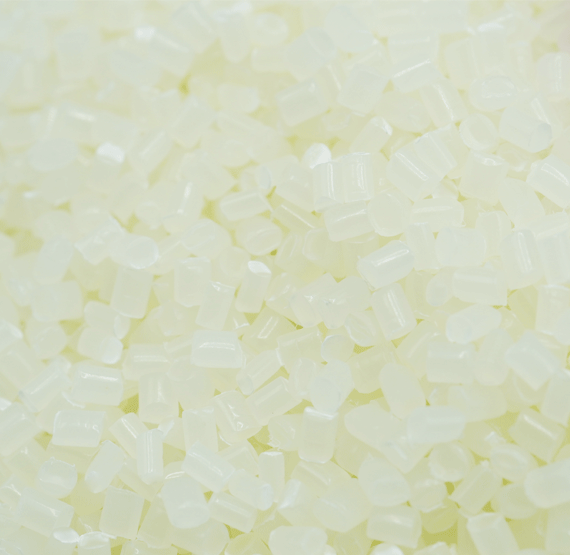
Anti-UV additives are used to limit and prevent the negative effects of ultraviolet rays on finished plastic products exposed to ultraviolet (UV) radiation from sunlight that can cause damage to plastics, packaging including degeneration, discoloration and loss of mechanical properties. These effects can be especially detrimental for outdoor applications, such as auto parts, construction materials, and agricultural films.
Anti-UV additives are used to protect plastic materials from UV radiation. These additives work by absorbing or scattering UV rays, preventing them from penetrating the plastic and causing damage. UV-protective additives may be added to plastics during the manufacturing process, or they may be used as a coating on the surface of the material.
There are many different types of UV protection additives, including organic and inorganic compounds. The choice of additive will depend on the specific plastic material and intended use as well as the level of UV protection required. Factors such as the concentration of the additive, the thickness of the plastic material and the expected level of UV exposure should also be considered.
Applications: UV-protective additives are especially applied in the automotive industry for interior and exterior parts because they are often exposed to
sunlight. In addition, it is also used in HDPE plastic injection, LDPE/LLDPE blown film, PP/HDPE tape, PP raffia, and wood plastic composite products
(agricultural mulch, greenhouse film, tarpaulin, stadium seats, ...).
BRIGHTENING ADDTIVES
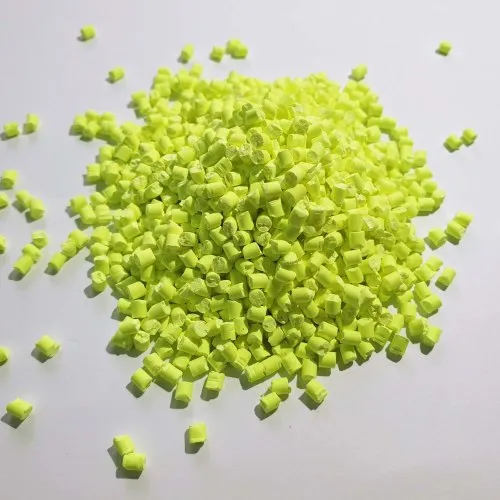
Brightening additives are used to mask the inherent yellow color of the plastic and replace it with a brighter color by increasing the total amount of blue light reflected.In addition, this additive also gives the final product a beautiful shine and higher smoothness.
Application:
- Packaging film: food packaging film, supermarket bags,... - Disposable products such as cutlery, glass cups, food containers,...
- Household appliances that require appearance attractive.
CLARIFYING ADDITIVES

When producing thermoformed plastics, there are structures called spherulites. They consist of ordered lamellae resulting in higher density and stiffness, thereby reducing the transparency and aesthetics of the plastic. Thereby, plastic clarifying additives are included in the processing stage to prevent spherical particle size, helping to improve the clarity of plastic products.
Application:
Plastic clarifying additives are widely used in injection molding such as household appliances, food containers, lids, blown films and extruded sheets, etc. In addition, this additive is also used in many types of plastics. Different types include PP, HDPE, HDPE/PP, and LLDPE/PP.
ANTISTATIC ADDITIVES

Also known as flame retardants, antistatic plastic additives are one of the most important ingredients in many plastic products. Thanks to this additive, the insulating ability of plastic is significantly improved. In addition, sparks along with surface dust accumulation are eliminated, making the plastic machining process more efficient.
Application: - In automobiles: For fuel systems, electrical and electronic components and engine parts. - In the field of electronics: for electronic items such as computers, printers, photocopiers and other office equipment,... - In packaging: packaging food, medicine, medical supplies,...
ANTI-AGING ADDITIVES
the degradation process of plastic products. Plastic (loss of mechanical properties, flexibility, discoloration, cracking) due to external influences during processing and daily use.
Application: Anti-aging additives are widely used in various technologies such as injection molding, extrusion, thermoforming,... Especially outdoor plastic products
including tarpaulins, slides, and plastic wood products. composite (walls, floors, ceilings,...)
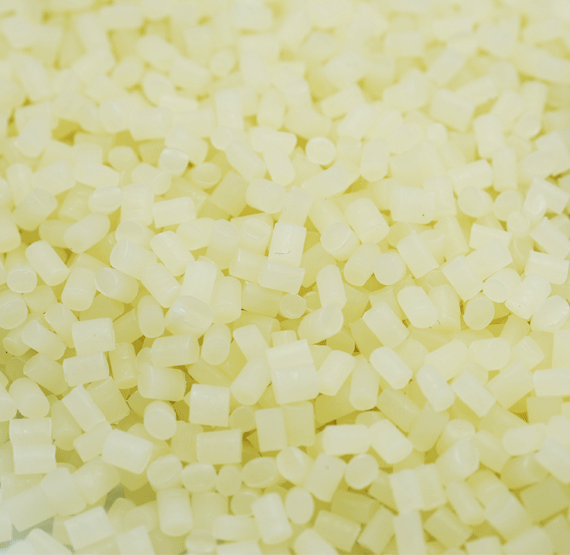
Application: - In packaging: food containers, food wrap, roll bags,... - In agriculture: agricultural mulch film, greenhouse film,...
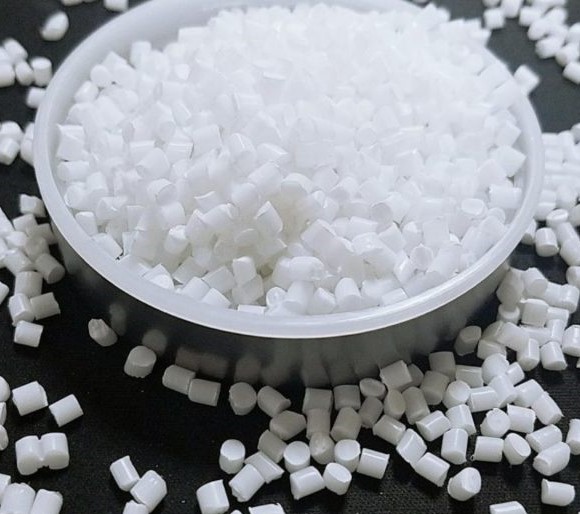
A common phenomenon in plastic processing, especially film blowing, is the adhesion of adjacent layers, reducing productivity and product quality. Anti-caking additives work by creating an ultra-rough surface that minimizes direct contact between film layers, thereby streamlining the plastic manufacturing process and improving production efficiency. It can operate effectively even under high temperature, pressure and long processing times.
Application:
Anti-blocking plastic additives are widely used in the packaging film industry such as PE film, CPP film, BOPP and extrusion technology.
Polymer Processing Aids

Abnormal phenomena in the plastic processing process, especially in extrusion, have caused businesses to encounter difficulties and significantly reduce productivity, leading to the use of additives to support processing. This material works in two main ways. Once added to the molding process, it melts and forms a liquid that surrounds the pigment particles to promote the mixing stage. In addition, processing aids help bind the individual plastic particles inside better, thus making them melt faster. That means plastic businesses can significantly save energy consumption, leading to improved productivity.
Application:
Processing support plastic additives benefit many production technologies such as film blowing, fiber extrusion, mesh weaving, plastic pipe extrusion,...
Thus, the application of plastic additives has significantly improved the operating efficiency of plastic businesses. Depending on the product requirements, an appropriate amount of additives will be added during the production process.